+91-9958 726825
AI-Driven Behavioral Insights and Consumer Decision-Making in Smart Kitchen Environments
|
The integration of Artificial Intelligence (AI) and Internet of Things (IoT) technologies in smart kitchens has transformed household consumption by enabling behavioral data tracking and personalized decision support. However, empirical evidence on the behavioral implications of AI-driven insights in consumer decision-making remains limited. This study examined how behavioral data and AI-based recommendations influenced consumer choice and adoption intentions toward smart kitchen technologies. A quantitative, cross-sectional survey was conducted with 300 respondents who were familiar with smart home and smart appliance technologies. Data were analyzed using Partial Least Squares Structural Equation Modeling (PLS-SEM) to assess the relationships among behavioral data tracking, AI-driven insights, perceived usefulness, trust, and consumer decision-making. The findings indicated that personalization through behavioral data and AI-generated insights significantly enhanced perceived usefulness and trust, which in turn positively influenced consumer choice and adoption intention. Conversely, privacy concerns negatively affected trust and reliance on AI recommendations. This study contributes to the growing literature on the Internet of Behaviour by demonstrating how AI-enabled smart kitchen systems shape consumption decisions. It also offers practical implications for manufacturers and marketers to design transparent, secure, and consumer-centric smart kitchen solutions.
|
|
The rapid advancement of Artificial Intelligence (AI) and Internet of Things (IoT) technologies has transformed households into interconnected, data-driven environments. Within this context, smart kitchen technologies such as AI-enabled refrigerators, automated cooking appliances, and voice assistants support real-time monitoring, automation, and personalized decision-making. These systems improve efficiency and user experience through advanced analytics and machine learning.Smart kitchens also represent an emerging application of the Internet of Behaviour (IoB), where user data are analyzed to understand and influence consumption decisions[1] [2] . Despite the growing adoption of smart home technologies, prior research has largely focused on technical performance and system efficiency, with limited attention to behavioral and managerial aspects[3] [5] . In particular, empirical studies examining the combined effects of technological factors, psychological drivers, and perceived risks on consumer behavior remain scarce[4]. Existing studies often examine isolated constructs, such as perceived usefulness, without integrating established technology adoption models with trust and risk perspectives. To address this gap, the present study develops an integrated research model combining the Technology Acceptance Model (TAM), the Unified Theory of Acceptance and Use of Technology (UTAUT2), and trust–risk frameworks[9] . The model examines how performance expectancy, effort expectancy, social influence, hedonic motivation, facilitating conditions, perceived value, trust, privacy risk, and security risk influence consumer attitudes and behavioral intentions toward AI-enabled smart kitchen technologies. A quantitative, cross-sectional survey design was adopted, and the proposed relationships were analyzed using Partial Least Squares Structural Equation Modeling (PLS-SEM)[4] [8] . This study advances existing literature in three distinct ways that set it apart from prior TAM, UTAUT2, and IoB-based research. First, while prior TAM studies in smart home contexts treat perceived usefulness and ease of use as static user perceptions, this study reinterprets these constructs within a dynamic, AI-driven behavioral layer where system performance adapts in real time through continuous user data. This shifts the locus of adoption explanation from fixed cognitive evaluations to behaviorally informed, personalized system interactions. Second, unlike UTAUT2 that extend adoption models with hedonic and social constructs but do not address continuous behavioral data collection, this study explicitly integrates the Internet of Behaviour (IoB) as a theoretical lens. This allows for examining how AI-generated behavioral insights derived from cooking patterns, consumption habits, and device interaction histories reshape user perceptions of usefulness, trust, and risk in a way that no prior UTAUT2 application in smart home research has addressed. Third, previous IoB research [5] has primarily focused on conceptual elaborations or single-construct investigations, without situating IoB within a multi-construct adoption framework. This study addresses that void by operationalizing IoB through measurable constructs (AI-driven personalized experience, behavioral privacy risk) and testing them alongside established adoption predictors in an empirically grounded PLS-SEM model. These contributions collectively offer a more nuanced and behaviorally sensitive explanation of consumer adoption in AI-enabled domestic environments.
|
To evaluate the effect of consumer attitudes on behavioral intention to use smart kitchen technologies. |
|
Development of Theory and Hypothesis.
The technological, psychological, and risk-related factors are in a mixture that influence the adoption of AI enabled smart kitchen technologies. Based on UTAUT2, TAM, and trust-risk theory, there are five hypotheses outlined and presented in the paper. Performance Expectancy (PE): It is a user belief where AI-enabled smart kitchen technologies enhance efficiency, convenience, and task performance. In IoB-driven environments, performance expectancy is further strengthened through AI-based behavioural recommendations derived from user cooking habits and usage patterns. Performance Expectancy (PE)- Performance expectancy reflects the perceived usefulness of a technology in enhancing task performance. Prior studies confirm that perceived performance benefits significantly shape user attitudes toward adoption[9] [2]
|
|
Research Design
This is a quantitative and cross-sectional research design in its approach to study consumer attitudes and behavioural intentions in regard to AI-enabled smart kitchen technologies. The methodology allows testing empirically the relationships between technological, psychological constructs. Population, Sampling and Screening. Instrument Development and Measurement.
All items were adapted and modified to reflect AI-driven behavioural insights (IoB). Data Collection Ethical Considerations |
|
The proliferation of Artificial Intelligence (AI) and Internet of Things (IoT) technologies has accelerated the development of smart home ecosystems, particularly smart kitchen systems that enable automation, connectivity, and real-time behavioral monitoring. These technologies enhance household efficiency through personalized recommendations, automated inventory management, and intelligent decision support[1] . More importantly, AI-enabled systems analyze user behavior such as cooking patterns and consumption habits to predict needs and influence decision-making, highlighting the growing relevance of data-driven domestic environments[2] . Within this context, the Internet of Behaviour (IoB) provides a critical extension by focusing on how behavioral data are captured, analyzed, and used to shape user decisions. Unlike traditional smart systems that emphasize functionality, IoB introduces a behavioral layer that actively influences consumption choices. However, despite its conceptual relevance, empirical applications of IoB in household contexts particularly in smart kitchens remain limited[6]. Prior studies on smart technology adoption have predominantly relied on the Technology Acceptance Model (TAM) and the Unified Theory of Acceptance and Use of Technology (UTAUT2). TAM emphasizes perceived usefulness and ease of use, while UTAUT2 expands this framework by incorporating constructs such as performance expectancy, effort expectancy, social influence, and hedonic motivation[3] . These models have been effective in explaining functional and usability-driven adoption behavior[4] . However, they remain largely technology-centric and do not adequately account for AI-driven personalization or continuous behavioral data processing.
This limitation becomes more pronounced in AI-enabled environments, where trust and perceived risk play a central role. Trust in AI systems is shaped by perceptions of transparency, reliability, and fairness, and has been shown to significantly influence adoption intentions[5] . At the same time, privacy and security risks arising from continuous data collection and potential misuse act as critical barriers to adoption[6] . Existing studies acknowledge these factors but often examine them in isolation rather than as part of an integrated framework. Therefore, a key gap in the literature lies in the lack of comprehensive models that simultaneously incorporate technological, psychological, and risk-related dimensions within AI-driven, behavior-sensitive environments. Moreover, traditional adoption models do not explicitly capture the role of behavioral data in dynamically shaping user perceptions. Addressing this gap, the present study integrates IoB with UTAUT2 and trust–risk perspectives to develop a unified framework that explains consumer attitudes and behavioral intentions toward AI-enabled smart kitchen technologies. Conceptual Framework This study proposes an integrated conceptual framework that combines UTAUT2, TAM, and trust–risk theory, extended through the lens of the Internet of Behaviour (IoB). The framework moves beyond traditional adoption models by explicitly incorporating AI-driven behavioral insights derived from user data, such as cooking habits, usage frequency, and interaction patterns. Technological constructs performance expectancy, effort expectancy, and facilitating conditions capture the functional and usability aspects of smart kitchen technologies[7]. These factors are well-established predictors of technology adoption but are reinterpreted in this study within an AI-enabled context, where system performance is enhanced through behavioral learning and personalization. Psychological and social constructs, including social influence, AI-driven personalized experience, and perceived value, reflect user engagement and experiential benefits. In IoB-driven environments, personalization plays a central role by adapting system responses to individual behavior, thereby enhancing perceived usefulness and user satisfaction. Trust and risk constructs are incorporated to address the inherent uncertainties associated with AI-based systems. Trust in AI systems reflects user confidence in the reliability and transparency of automated decisions, while perceived privacy and security risks capture concerns related to data misuse and system vulnerabilities. These factors are particularly critical in IoB contexts, where continuous behavioral data collection is required. Attitude toward smart kitchen technology is modelled as a mediating variable that links these determinants to behavioral intention. This structure is consistent with established adoption theories while allowing for the inclusion of behavior-driven personalization and risk considerations. Overall, the framework provides a comprehensive explanation of consumer adoption by integrating functional benefits, behavioral insights, and risk perceptions within a single model. 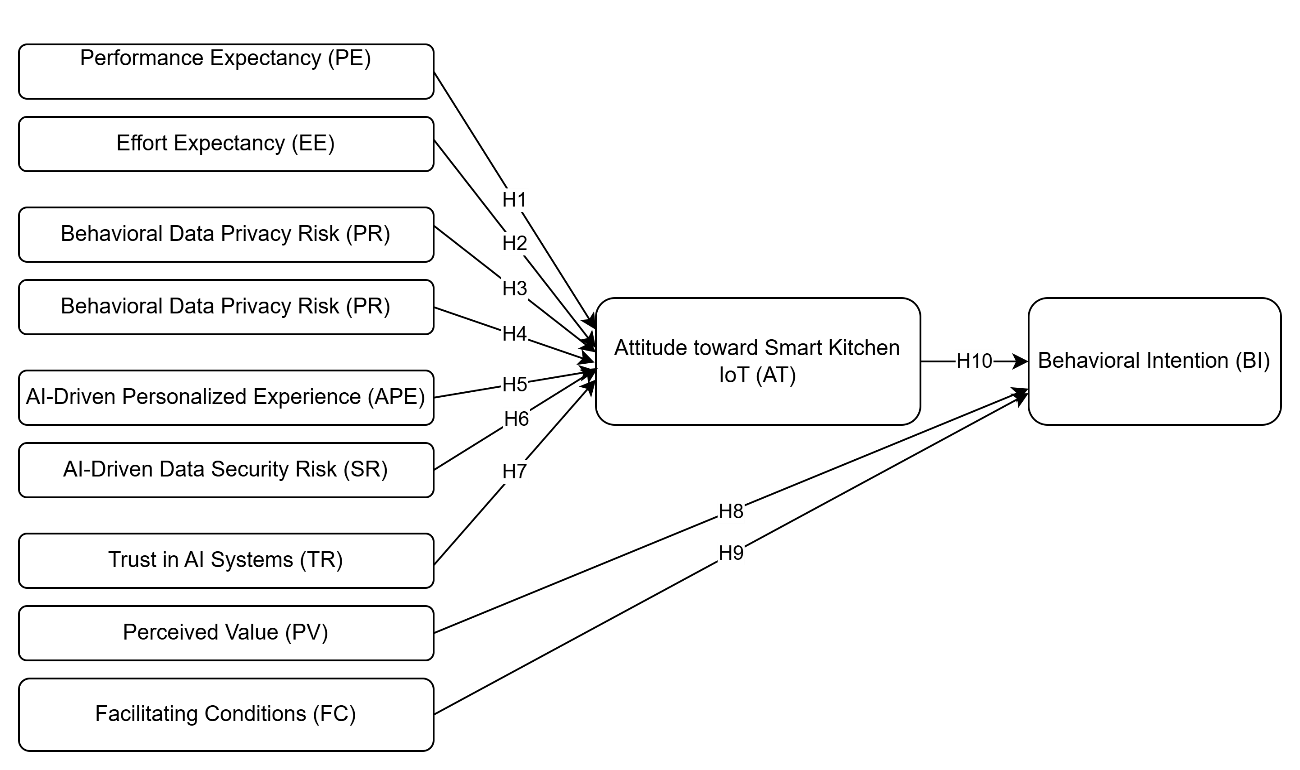 Figure 1 : Conceptual Framework for AI-Driven IoB-Based Smart Kitchen Adoption Model
In the Figure 1 model captures the role of AI-driven behavioural insights (IoB) in shaping user perceptions, where personalization and data-driven recommendations influence both positive (trust, usefulness) and negative (privacy and security risks) attitudes toward adoption.
Table 1 Construct Operationalization
|
|
The findings of this study provide strong empirical support for an integrated framework combining TAM, UTAUT2, trust–risk theory, and the Internet of Behaviour (IoB) in explaining consumer adoption of AI-enabled smart kitchen technologies. The results confirm that both technological and behavioral dimensions jointly shape user attitudes and behavioral intentions. Performance expectancy, effort expectancy, and social influence were found to significantly influence consumer attitudes. This aligns with prior UTAUT2-based studies, which emphasize the importance of perceived usefulness, ease of use, and social pressure in shaping technology adoption behavior[9] [2] . However, the effect size for performance expectancy (β = 0.71) in this study is notably higher than values reported in comparable smart home adoption studies for example, [8] reported a path coefficient of 0.54 for performance expectancy in their UTAUT-based extension, while similarly found moderate effects in their smart home review. This elevation is likely attributable to the AI personalization layer in smart kitchen systems, which amplifies perceived functional utility beyond what static smart appliances offer. This study extends these findings by demonstrating that in IoB-enabled environments, these relationships are further strengthened through AI-driven behavioral personalization, suggesting that functional benefits alone are no longer sufficient; rather, their impact is amplified when systems adapt to user behavior in real time. AI-driven personalized experience also emerged as a significant predictor of attitude (β = 0.70). This finding supports recent AI adoption literature, which highlights that personalization enhances user engagement and perceived relevance [12]. However, this study diverges who found that in AI-powered retail settings, personalization effects were partially mediated by perceived enjoyment and novelty rather than directly shaping attitude. The difference may reflect the domestic context of smart kitchens, where personalization is tied to habitual, high-frequency tasks (cooking, inventory management), making behavioral relevance more directly salient to the user’s attitudinal evaluation. Trust in AI systems showed the strongest positive effect on attitude (β = 0.76). This is consistent with trust–risk theory, which suggests that trust reduces uncertainty in automated decision environments[8]. Compared to [5] explainability study, which found that trust was indirectly shaped through explainable AI outputs, the present findings suggest that in IoB-driven smart kitchen systems, trust operates as a direct and dominant attitudinal driver not merely a downstream outcome of system transparency. This implies that trust-building in such systems requires proactive design measures rather than reactive explanations after behavioral data is processed. Without trust, even highly functional systems may fail to achieve adoption. In contrast, perceived privacy risk and security risk significantly reduced consumer attitudes. This finding is consistent with prior studies indicating that data-driven technologies intensify user concerns regarding surveillance, misuse, and unauthorized access. Notably, privacy risk exhibited a stronger negative effect than security risk (β = −0.74 vs. −0.68), suggesting that continuous behavioral tracking in IoB environments raises deeper concerns about personal data exposure rather than system vulnerability alone. This is partly at odds with[11], whose smart home study found security risk to be the dominant deterrent, possibly because their context did not involve continuous behavioral profiling of the kind embedded in IoB-enabled kitchen systems. The escalation of privacy concerns over security concerns in the present study may signal a growing consumer awareness of data ethics and behavioral surveillance as AI systems become more pervasive. Facilitating conditions and perceived value were found to significantly influence behavioral intention. These results align with UTAUT2 and value-based adoption models, which emphasize the importance of infrastructure support and cost–benefit evaluation in driving intention[9]. This indicates that even in advanced AI environments, adoption remains dependent on external support and perceived utility. Attitude emerged as the strongest predictor of behavioral intention (β = 0.77), confirming its central role in TAM-based models (Ajzen, 2023). This reinforces the mediating role of attitude in translating technological benefits, social influence, trust, and risk perceptions into actual behavioral intentions, and is consistent with the meta-analytic findings of Dwivedi et al. (2024), who confirmed attitude as a robust cross-contextual mediator in technology acceptance research.
Managerial and Practical Implications |
|
Partial Least Squares Structural Equation Modelling (PLS-SEM) was used to analyse the proposed model on SmartPLS software. The evaluation process was carried out in two phases (1) measurement model evaluation and (2) structural model evaluation.
Respondent Characteristics
Table 2 : Demographic characteristics of the respondents (N = 300)
Most of the respondents were between 26-35 years (41%), 18-25 years (26%), which means that the sample is rather young and technologically conscious. Education wise, 51% of the people surveyed had postgraduate degrees indicating that they were highly educated and able to make judgment on AI-enabled smart kitchen systems.
Table 3: Reliability Assessment (Cronbach’s Alpha & Composite Reliability)
The convergent validity was determined when all the Average Variance Extracted (AVE) values were more than 0.50. The Fornell–Larcker criterion was used as an initial test for discriminant validity, where the square root of the AVE of each construct exceeded its highest correlation with any other construct, confirming construct-level distinctiveness. To provide a more rigorous assessment of discriminant validity consistent with current PLS-SEM best practices (Hair et al., 2019), the Heterotrait–Monotrait (HTMT) ratio of correlations was additionally computed. All HTMT values fell below the conservative threshold of 0.85, confirming that each construct is empirically distinct from the others. Specifically, HTMT values ranged from a minimum of 0.41 (between Facilitating Conditions and AI-Driven Security Risk) to a maximum of 0.79 (between Trust in AI Systems and Behavioral Intention), all remaining well within acceptable bounds. These results collectively provide strong evidence for both convergent and discriminant validity of the measurement model.
Table 4 : : Convergent Validity
The lack of multicollinearity was demonstrated by the Variance Inflation Factor (VIF) values not exceeding 3.3. Harman's single factor test revealed that common technique bias was not an issue.
Table 5 : Structural Model & Hypothesis Testing Results
In contrast, AI-driven data security risk (β = -0.68, p < 0.001) and behavioral data privacy risk (β = -0.74, p < 0.001) have substantial negative impacts on consumer attitude, demonstrating that worries about data protection and abuse of behavioral data operate as major hurdles to adoption. Notably, the behavioral data privacy risk has the greatest negative impact, indicating that consumers are particularly concerned about how their behavioural data is gathered, kept, and used. This emphasizes the increasing necessity of data ethics and transparency in Internet of Behaviour (IoB) settings. Facilitating situations (β = 0.73, p < 0.001) and perceived value (β = 0.70, p < 0.001) have a considerable favorable influence on behavioral intentions. Attitude (β = 0.77, p < 0.001) has the greatest impact on behavioral intention, highlighting its crucial role in technology adoption. 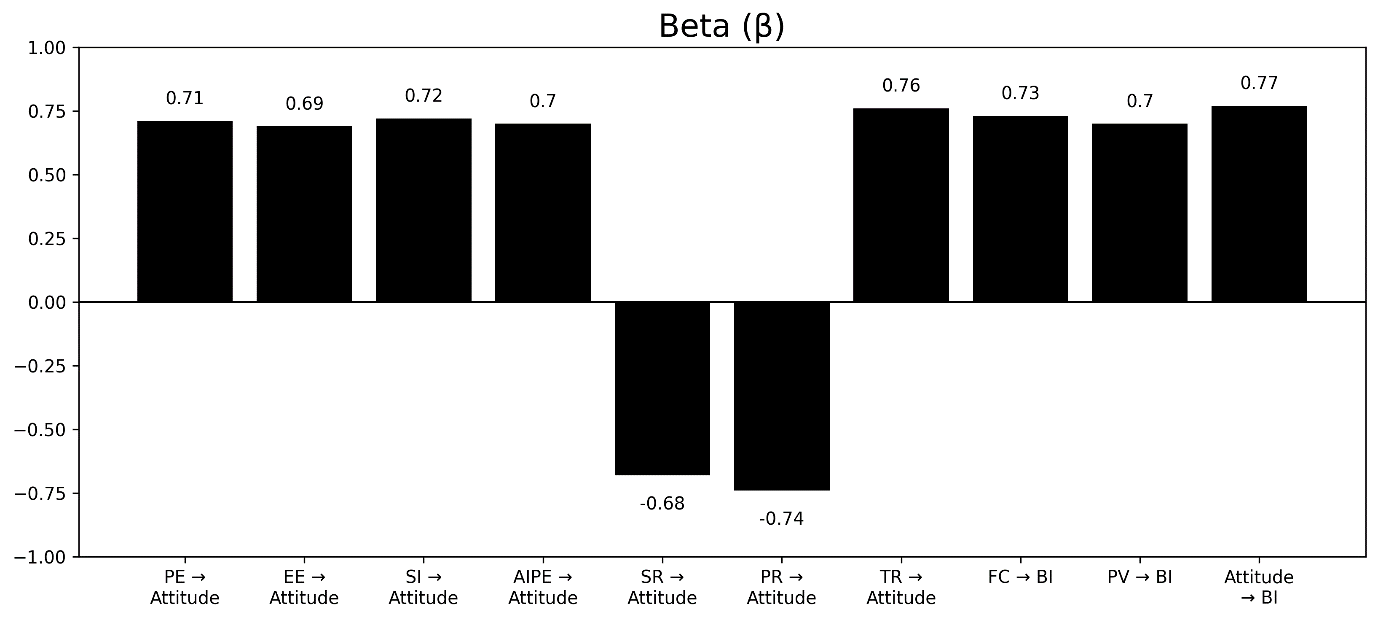 Figure 2 : Path Coefficients of Structural Model
Furthermore, the data in Figure 2 give significant support for the mediation function of attitude. Constructs like performance expectation, effort expectancy, and social influence, AI-driven personalized experience, and trust in AI systems influence behavioural intention indirectly through attitude. This reinforces attitude as a key explanatory mechanism linking technological, behavioural (IoB-driven), and risk-related factors to consumer adoption decisions. The model also demonstrates strong explanatory power, with R² values of Attitude (R² = 0.68) and Behavioural Intention (R² = 0.72), indicating substantial variance explained by the predictors and confirming the predictive relevance of the proposed IoB-based framework. |
|
This study extends TAM and UTAUT2 by integrating the Internet of Behaviour (IoB) as a behavioural intelligence layer in explaining consumer adoption of AI-enabled smart kitchen technologies. The findings demonstrate that real-time behavioural data significantly reshapes key adoption constructs, particularly trust, perceived value, and risk perceptions. This shifts technology adoption research from static perception-based models to dynamic, data-driven behavioural frameworks. The results confirm that attitude plays a central mediating role in translating technological, psychological, and behavioural factors into behavioral intention. In contrast, perceived privacy and security risks emerge as critical barriers, highlighting the importance of data protection in IoB-driven environments. Theoretically, this study contributes by repositioning IoB as an extension of traditional adoption models, where continuous behavioural analytics actively influence consumer decision-making rather than merely supporting system functionality. This provides a more comprehensive explanation of adoption behavior in AI-enabled domestic environments. Despite these contributions, several limitations should be acknowledged. First, the study employed purposive sampling restricted to individuals with prior familiarity with smart home technologies, which may introduce self-selection bias and limit the representativeness of findings to early adopters or tech-savvy consumers. This excludes non-users and late adopters whose perceptions of risk and trust may differ substantially, potentially overstating positive attitudes toward AI-enabled systems. Second, the cross-sectional research design captures attitudes and intentions at a single point in time, making it impossible to establish causal sequences or observe how user perceptions evolve as AI systems learn and adapt to behavioral data over time. Adoption behavior in IoB contexts is inherently dynamic, and a snapshot design may not fully capture this temporality. Third, the sample was predominantly drawn from an urban, educated demographic in Bengaluru, India, with 51% holding postgraduate degrees. This limits the generalizability of findings to rural populations, lower digital-literacy groups, elderly consumers, or users in different cultural and regulatory contexts where data privacy norms and technology infrastructure differ considerably. Fourth, although Harman’s single factor test was employed to assess common method bias, the use of a single-source, self-reported survey design cannot entirely rule out response bias or social desirability effects in items related to trust and privacy concerns. Future research may explore the role of explainable AI, ethical data governance, and user-controlled data mechanisms in improving transparency and reducing perceived risks in IoB-based systems. Additionally, longitudinal studies could further examine how evolving user interactions shape trust and adoption over time.
|
|
|
|
Table A1: HTMT Ratio of Correlations Matrix
Note: All HTMT values < 0.85, confirming discriminant validity (Hair et al., 2019). Minimum: FC ↔ SR = 0.41; Maximum: TR ↔ BI = 0.79. PE = Performance Expectancy; EE = Effort Expectancy; SI = Social Influence; APE = AI-Driven Personalized Experience; SR = Security Risk; PR = Privacy Risk; TR = Trust in AI Systems; FC = Facilitating Conditions; PV = Perceived Value; AIoT = Attitude; BI = Behavioral Intention. |


Pain Text:
Nikitha K , Renushree S (2026), AI-Driven Behavioral Insights and Consumer Decision-Making in Smart Kitchen Environments. Samvakti Journal of Research in Information Technology, 7(1) .
Nikitha K , Renushree S (2026), AI-Driven Behavioral Insights and Consumer Decision-Making in Smart Kitchen Environments. Samvakti Journal of Research in Information Technology, 7(1) .